Okay, let’s be honest. How many of you remember every single lecture from your college days? Probably not many (I know I don’t!). We remember the hands-on activities, the projects that challenged us, the moments we actually did something with what we were learning. Those were the moments that the lightbulb went off in our heads–so that’s why they wanted us to learn this stuff! Who knew?

That’s the power of Project-Based Learning (PBL), and it’s why it’s turning heads in higher education.
So, What’s the Big Deal with PBL?
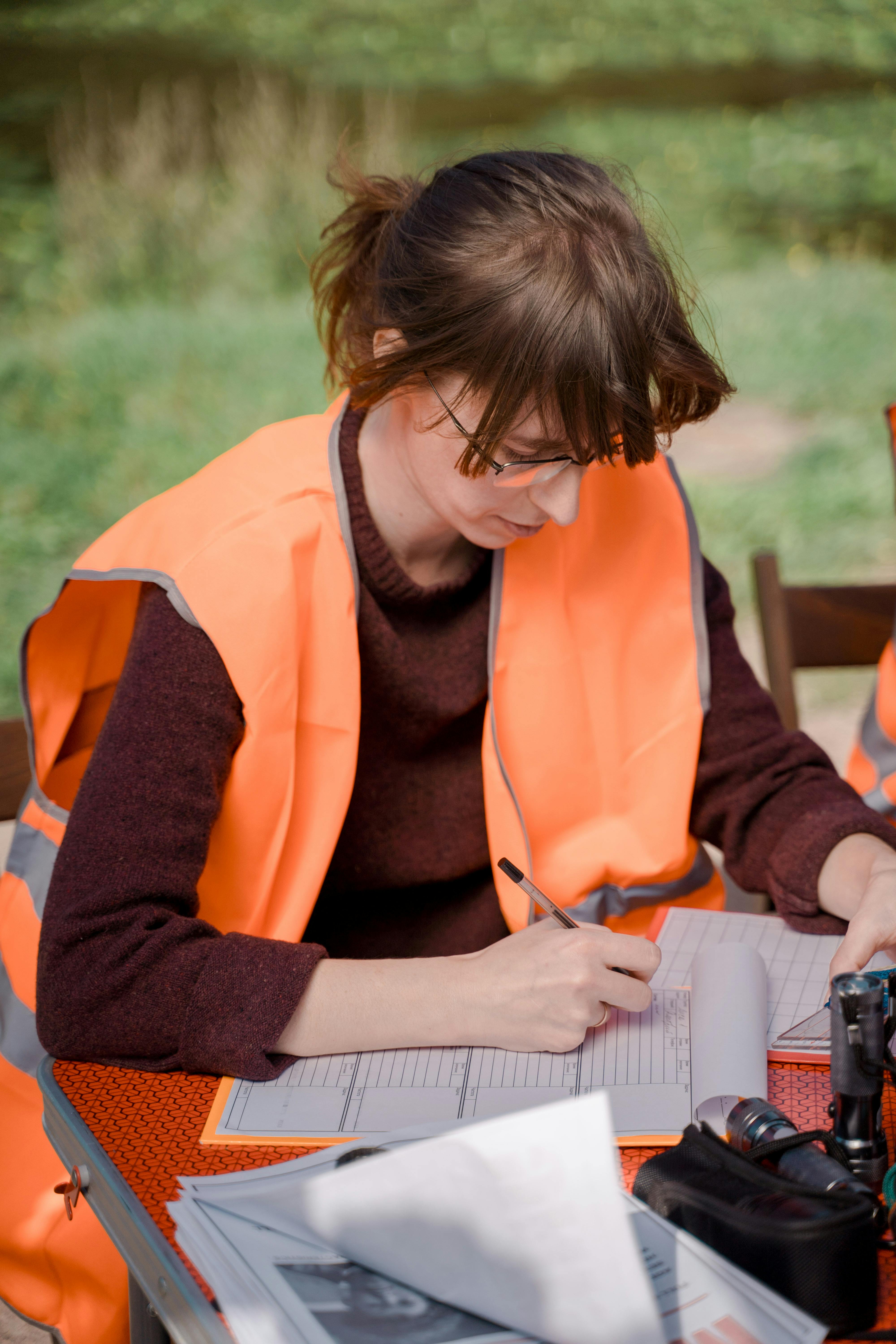
Forget the endless PowerPoint decks and rote textbook memorization. PBL throws students into real-world problems. Imagine tackling a complex issue facing your field—that’s what we’re talking about. Students aren’t just soaking up information; they’re actively digging, researching, and creating solutions. And they’re building a knowledge base that is relevant and important to their future.
Think of it this way: instead of just reading about how a bridge is built, students design and test their own miniature bridges. By the time they’re ready for an apprenticeship, they’ve already performed the functions of the role in class!

What Makes PBL Tick?
- Real-Life Scenarios: We’re not talking about abstract textbook problems. PBL projects are rooted in the kind of challenges professionals face every day.
- Student Curiosity Takes the Lead: Students get to ask the questions, explore the answers, and make the decisions. It’s their journey.
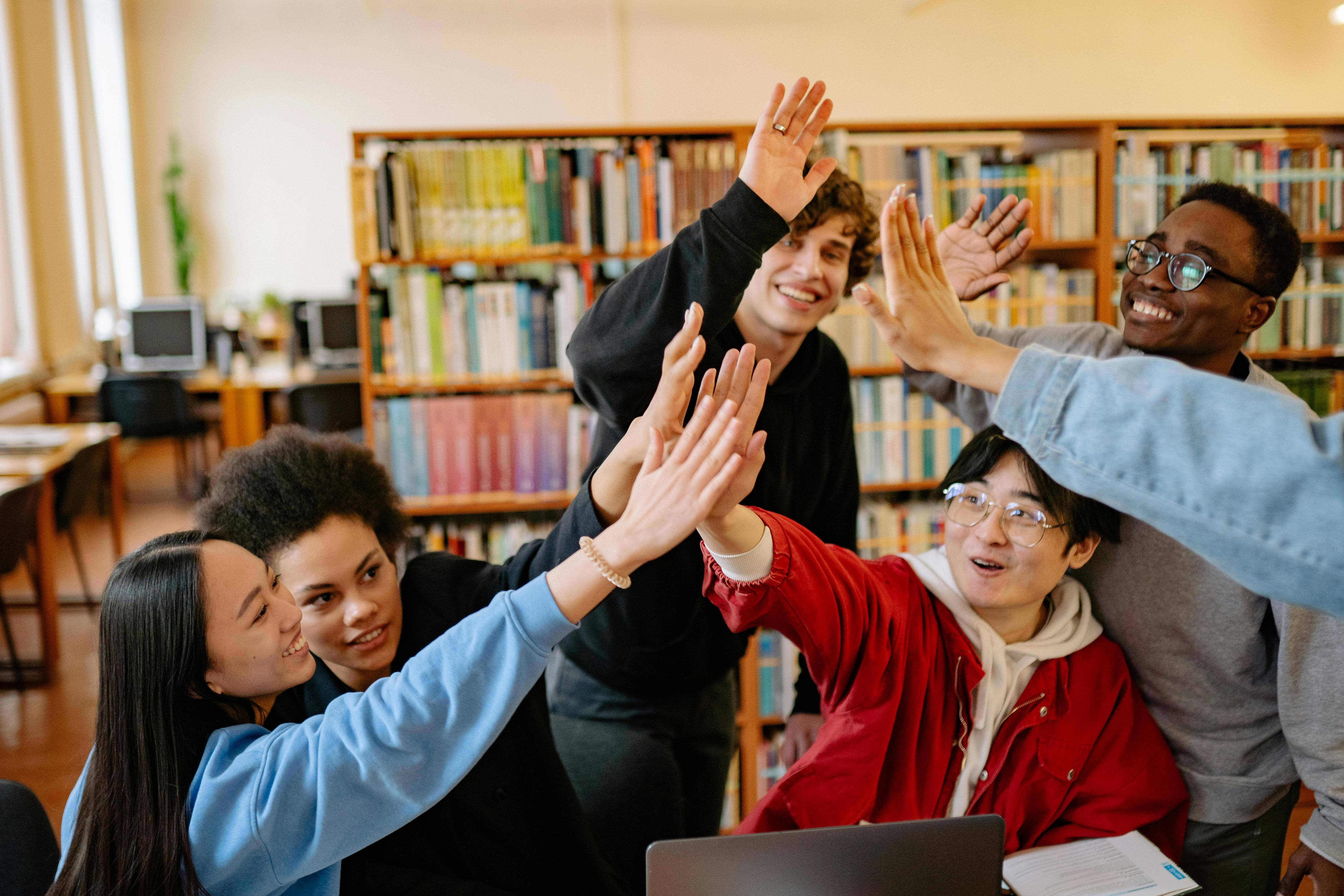
- Teamwork Makes the Dream Work: PBL is all about collaboration. Students learn to communicate, share ideas, and work together to achieve a common goal.
- Thinking on Your Feet: Analyzing information, weighing options, and coming up with creative solutions—that’s the bread and butter of PBL.
- Learning from Mistakes: Reflection and revision are built into the process. Students get to learn from their missteps and improve their work.
- Show, Don’t Just Tell: Assessment shifts from exams to tangible projects, presentations, and portfolios–tangible proof that they can show future employers that they know the work.

Why Should Higher Ed Care?
- Students Actually Get Excited: Let’s face it, engagement can be a struggle. PBL sparks that passion for learning, making students more motivated.
- Deep Learning, Not Just Surface Knowledge: When students apply what they’re learning to real problems, it sticks. They get a much deeper understanding.
- Building Skills for the Real World: We’re talking critical thinking, problem-solving, and teamwork—the skills employers are clamoring for.
- Bridging the Gap: PBL connects the dots between classroom theory and real-world practice, preparing students for what comes next.
- Mixing it up: PBL can easily incorporate multiple disciplines, which is how most real-world problems present themselves.
How Do You Actually Do This?
It’s not as scary as it sounds. Here’s a practical approach:
- Start Small, Think Big: Don’t overhaul your entire curriculum overnight. Begin with a single PBL project and build from there.
- What Do You Want Students to Learn?: Make sure your projects align with your course goals. (Busy work decreases the value.)
- Give Them a Roadmap: Provide clear guidelines, resources, and regular feedback.
- Encourage the Group Dynamic: Create opportunities for collaboration and peer support.
- Be Flexible, Roll with It: Things might not always go according to plan, and that’s okay. Demonstrate that sometimes failure can be okay–that’s how we learn what to do next time.
- Tech is your friend: Use online tools to streamline collaboration, project management, and presentations.
Here are a Few Things to Keep in Mind:
- PBL takes time. Be prepared to invest the necessary effort.
- It requires careful planning and facilitation.
- Assessing projects can be more nuanced than grading exams.
- Making sure everyone is contributing equally is something to be aware of.
The Bottom Line
Higher education is changing, and PBL is playing a huge role in molding the future of coursework. It’s about empowering students, fostering innovation, and preparing them for a future that demands more than textbook knowledge. We can create a more engaging and impactful educational experience by embracing active, hands-on learning. Let’s ditch the lecture hall now and then and let the students show us what they can do.

 Virtually Educated